


Pinout
Pinouts are maintained in the device repositories, not mirrored in this docs page. Use the cards below to open the relevant GitHub repo README for each current EMWaver device.
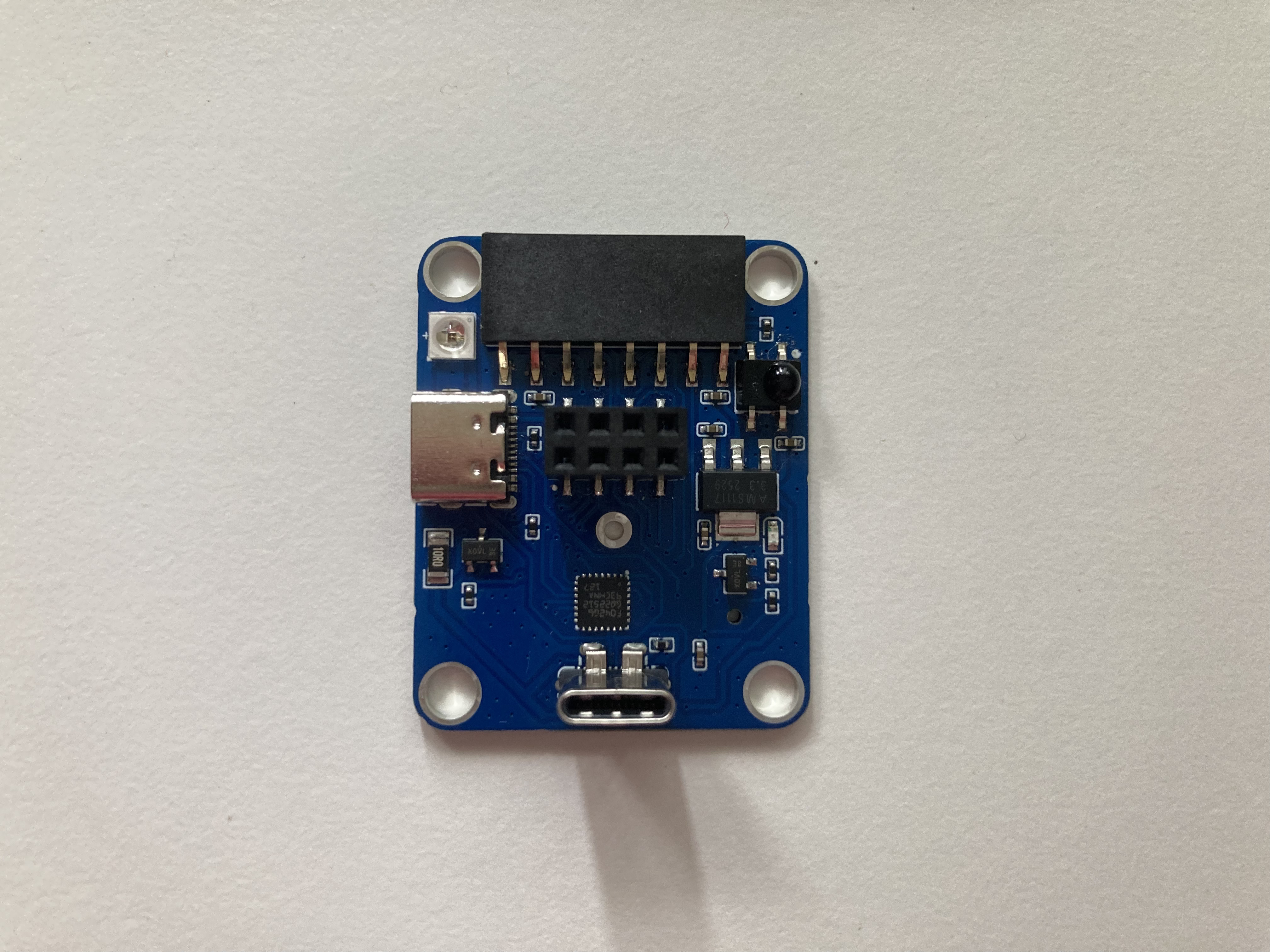
EMWaver Core is the STM32-based EMWaver board without a built-in CC1101 radio. It keeps the compact hands-on board format with two GPIO blocks and infrared support.
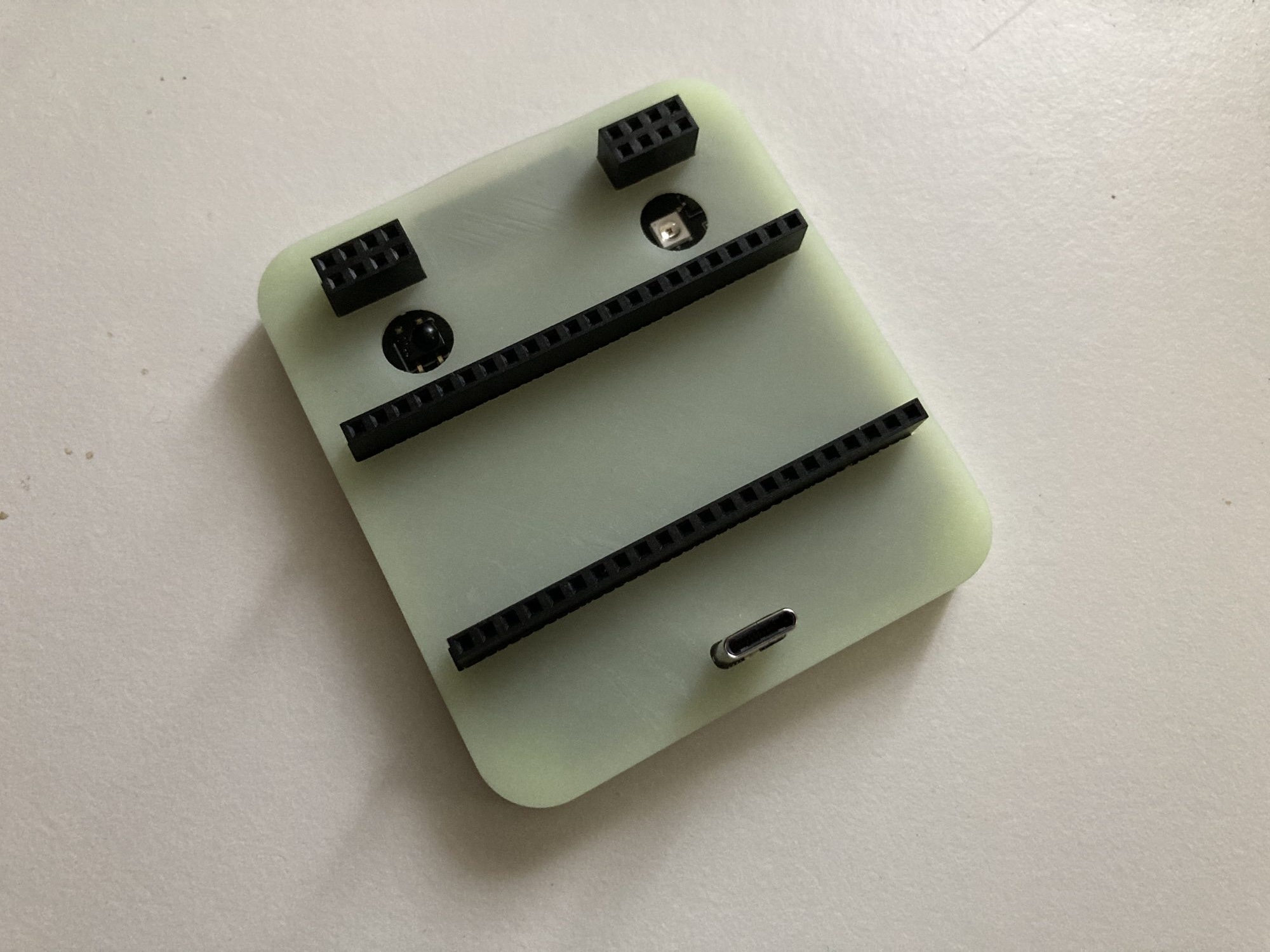
EMWaver Carrier is the bring-your-own-MCU EMWaver board. It lets you assemble an EMWaver-compatible device around your own ESP32-S3 module and CC1101 radio module, with IR receiver + IR LEDs and USB-C for power, programming, and USB communication.
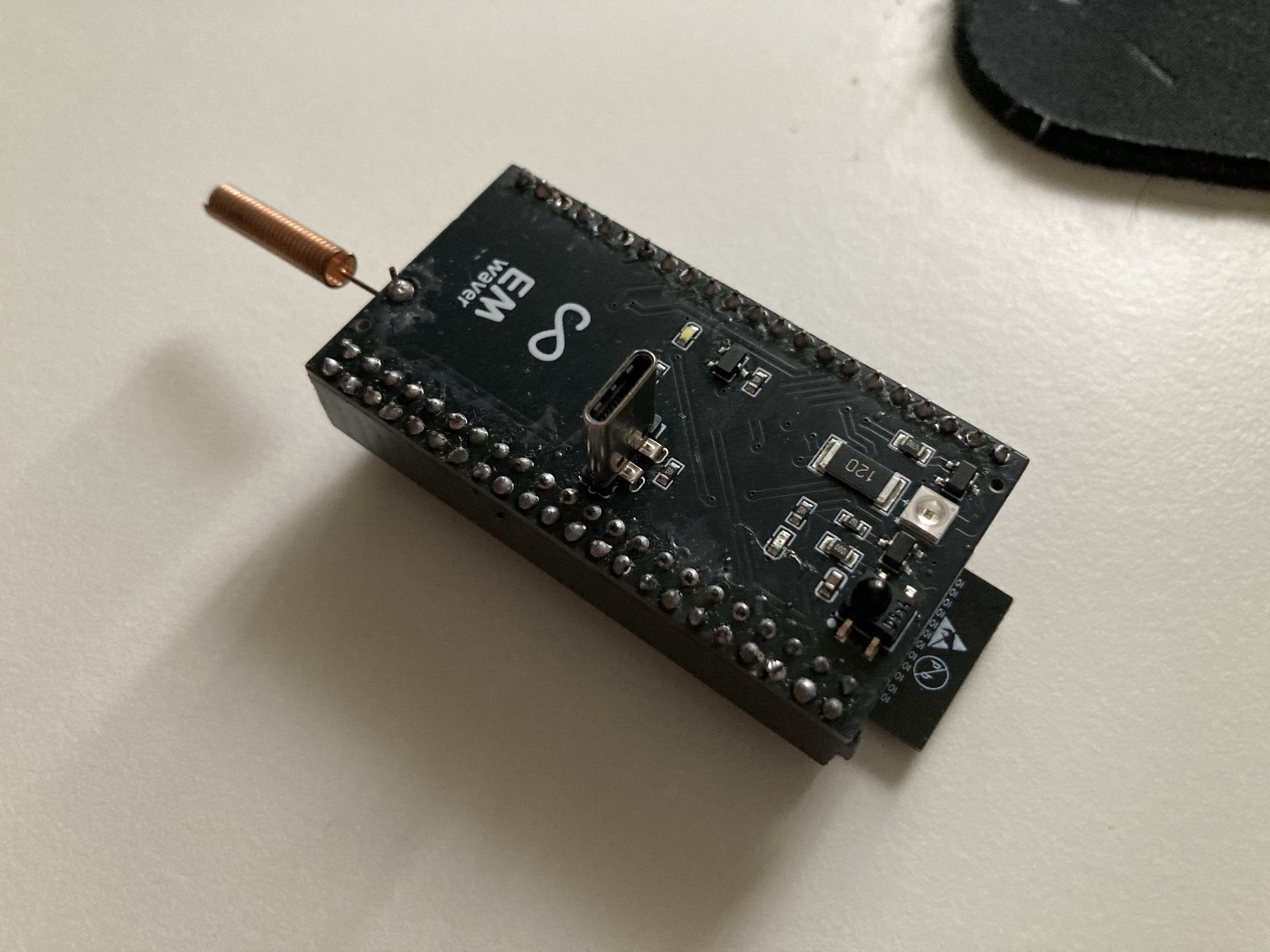
EMWaver Shield is a shield-style carrier for an ESP32‑S3 module. It adds the same IR receiver + IR LED and USB feature set as the DIY approach, but in a different form factor. For the sub‑GHz radio, it’s designed for soldering an RFM69HW module with a helical antenna, enabling up to 20 dBm output power. It also breaks out a larger duplicated GPIO header (22 pins) to make prototyping and expansion boards easy. Bonus: the ESP32‑S3 native USB stack also enables USB device emulation.
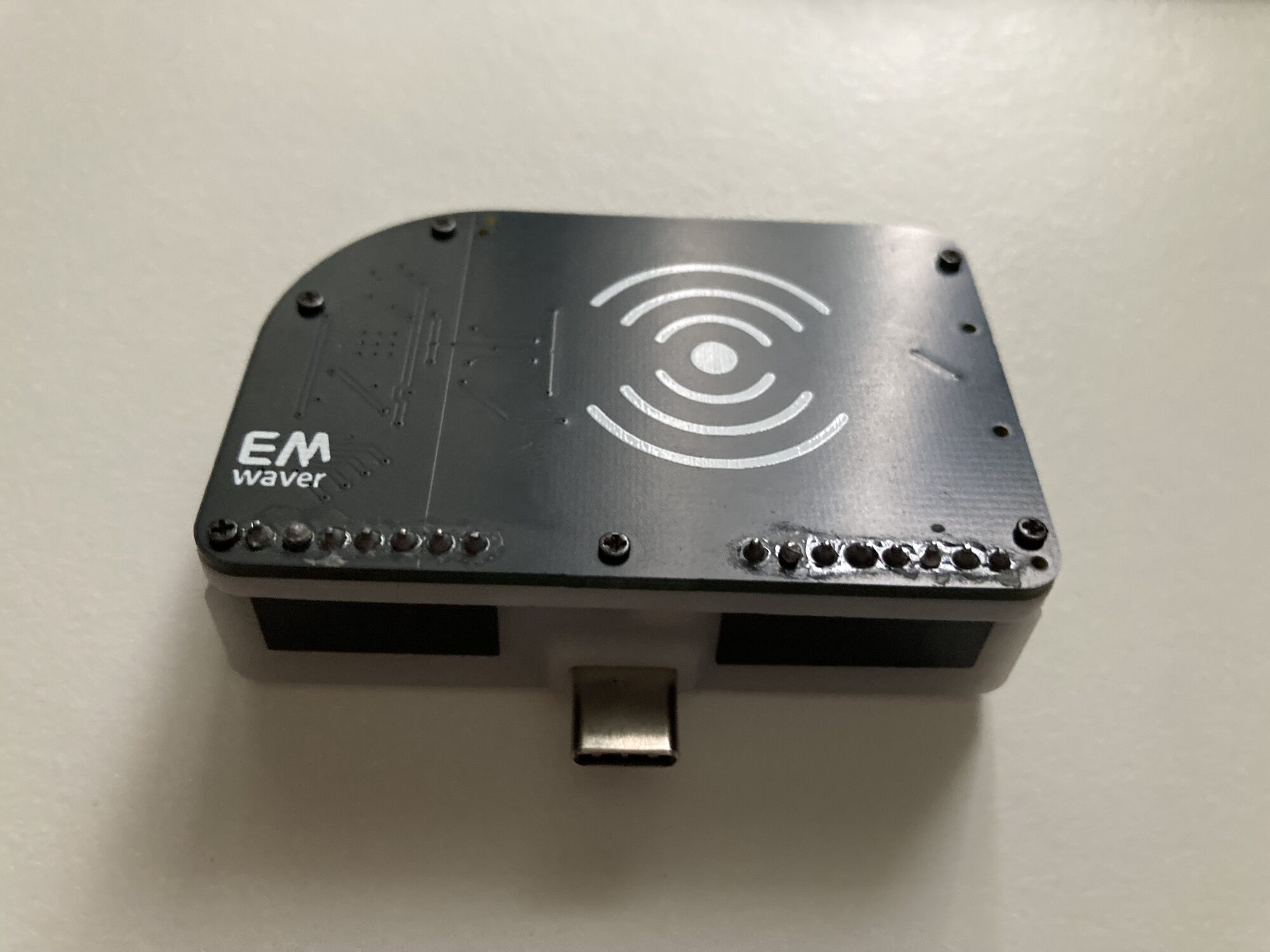
RFID Waver is an add-on module intended to plug into GPIO Waver. Together they form an RFID-capable device based on the MFRC522 (13.56 MHz) reader/writer, enabling card reads and (where supported) cloning to compatible “magic” cards via the EMWaver app.
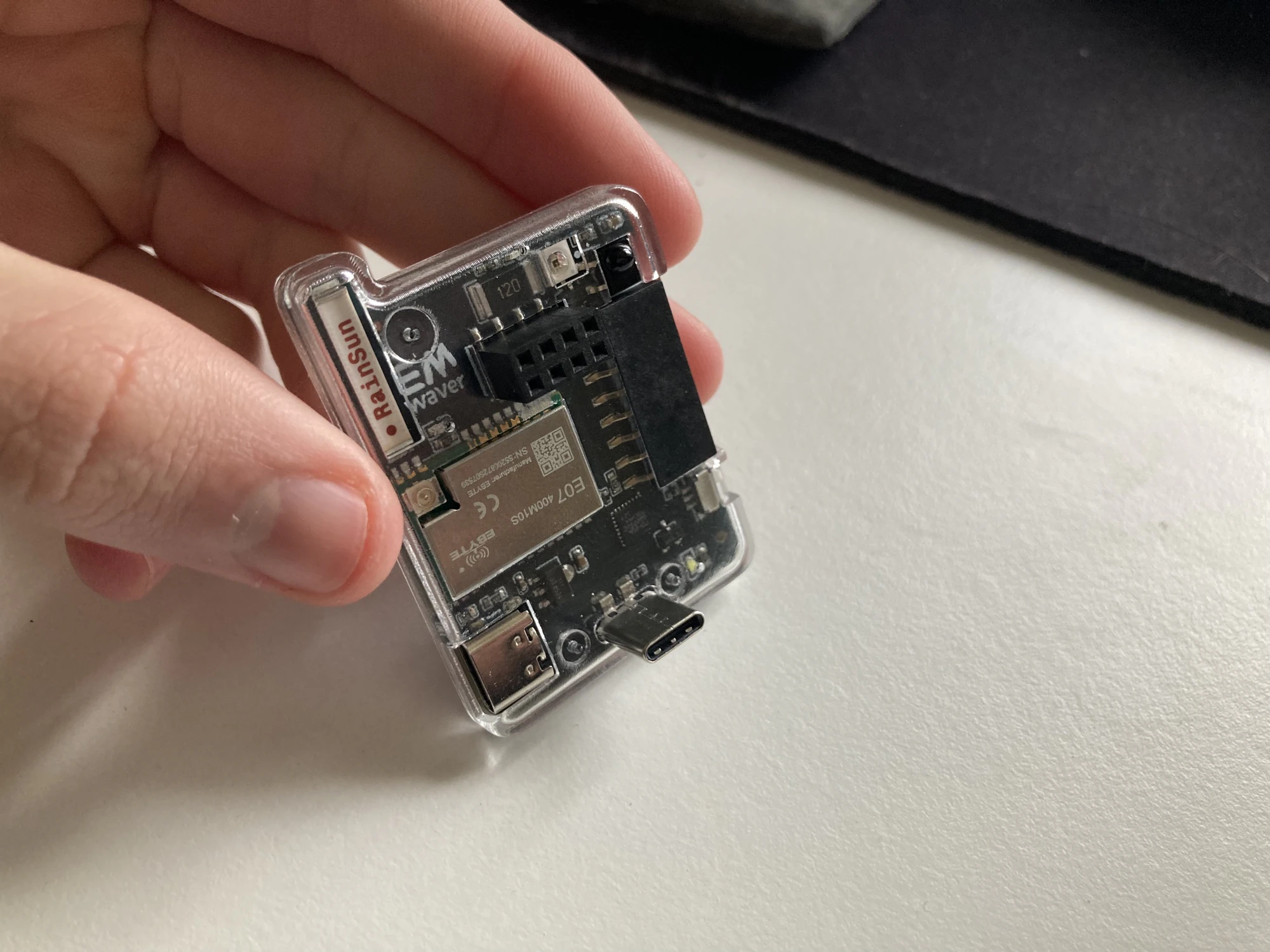
EMWaver Link is the STM32-based EMWaver board with built-in CC1101 radio support for the host-backed USB path of the platform.
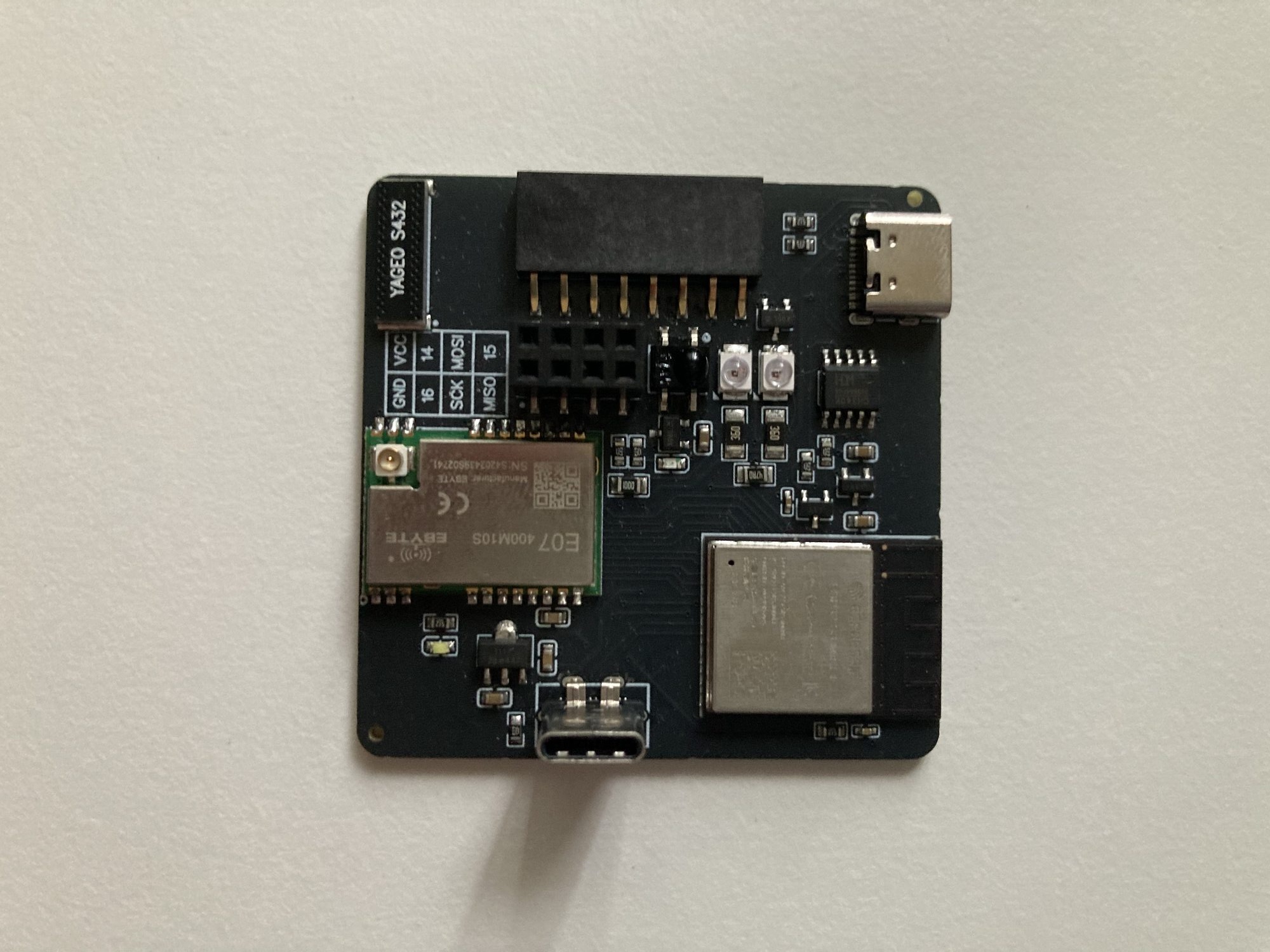
EMWaver Air is the ESP32-S3 all-in-one EMWaver board. It combines a CC1101 radio (with a 433 MHz chip antenna) for ISM Waver support and an IR receiver + IR LEDs for infrared RX/TX. It’s built around an ESP32-S3 dual-core 240 MHz MCU with native USB 2.0, enabling USB device emulation while also providing fast wireless BLE connectivity to the EMWaver iOS/Android and desktop apps. Expansion headers include an 8-pin GPIO row (ideal for add-ons like the RC522 RFID board) and a 2×4 header that also fits NRF24L01 modules. A USB-C port is used for power, programming, and USB communication.
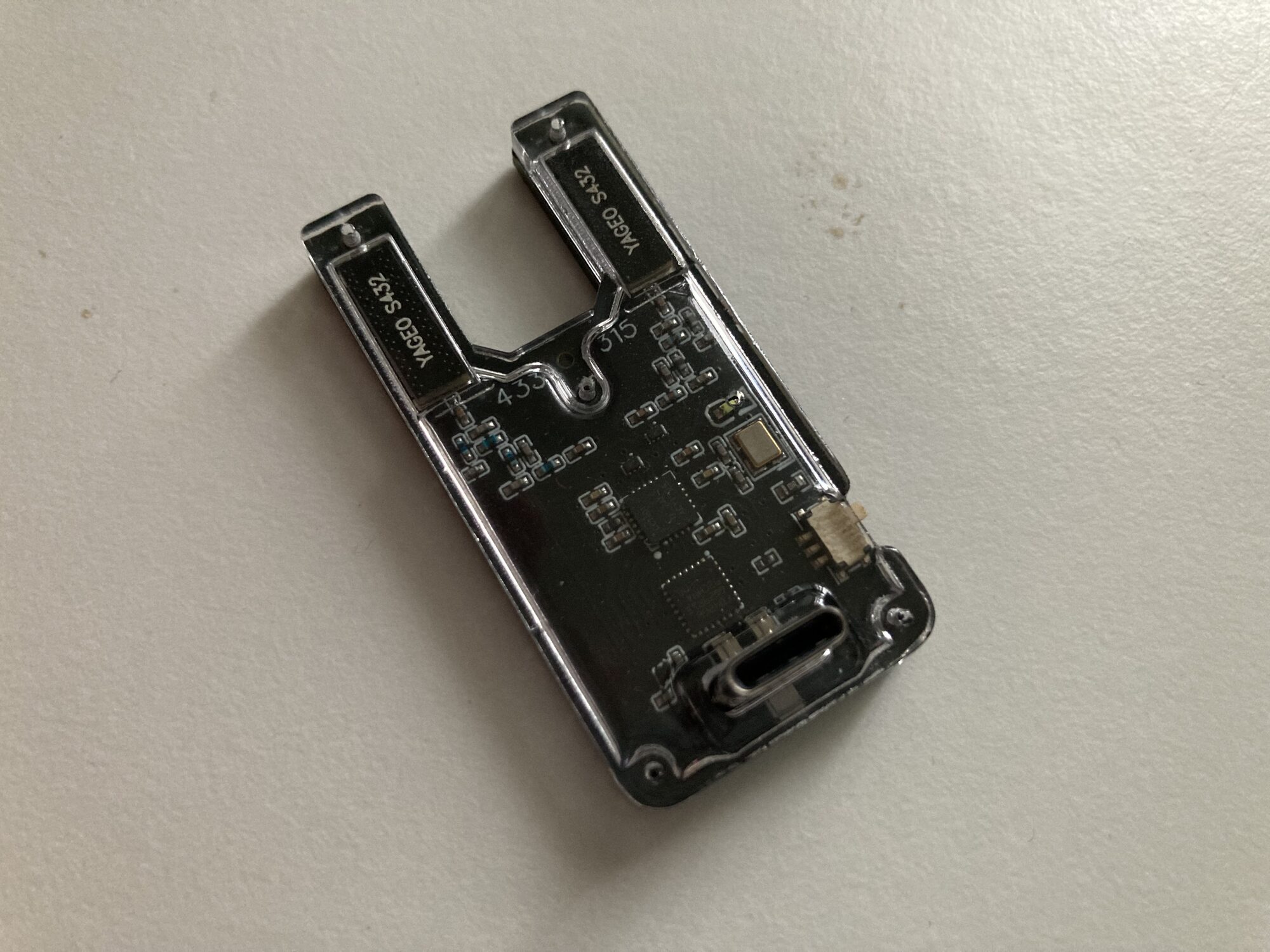
ISM Waver is a dual-band ISM board built around the STM32F042: a low-power 48 MHz MCU with crystal-less native USB 2.0. It pairs a CC1101 transceiver with an RF switch that routes to two chip antennas (315 MHz and 433 MHz), covering the most common ISM device bands. This board communicates over USB (no BLE), so it’s intended for Android (USB OTG) and the desktop EMWaver app. Bonus: the native USB stack also enables USB device emulation.
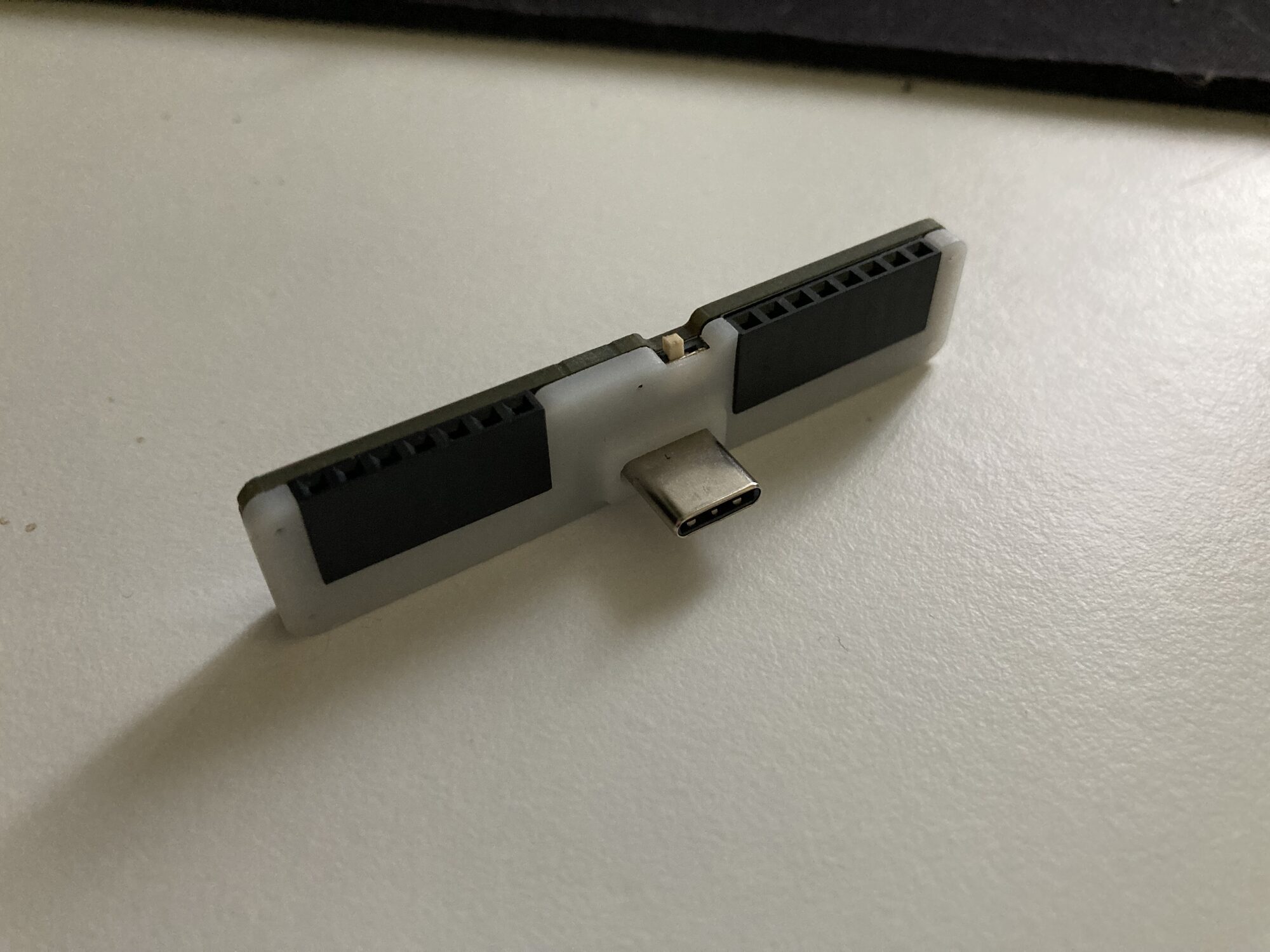
GPIO Waver is a low-cost STM32F042 (48 MHz) board focused on expansion: it exposes two GPIO headers and little else. It’s ideal for prototyping new EMWaver add-on hardware, and it’s also the base board for modules like RFID Waver. It communicates over USB (no BLE) for Android (USB OTG) and the desktop EMWaver app. Bonus: the native USB stack also enables USB device emulation.
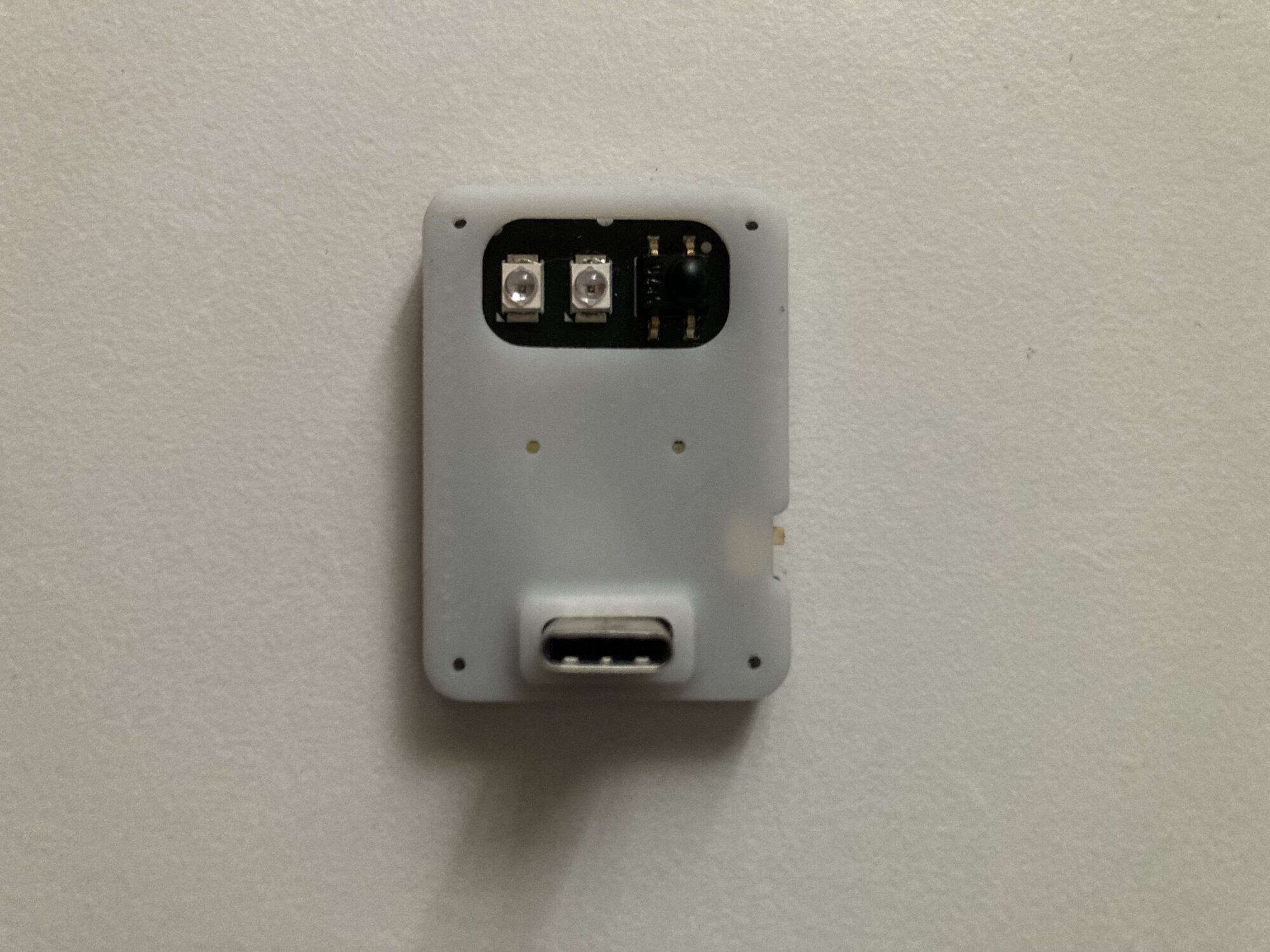
Infrared Waver is a low-cost IR board based on the STM32F042 (48 MHz) with crystal-less native USB 2.0. It features two IR LEDs and an IR receiver for working with infrared remote controls. With the EMWaver app you can record, analyze, and replay IR signals to replicate compatible remotes. It communicates over USB (no BLE), intended for Android (USB OTG) and the desktop EMWaver app. Bonus: the native USB stack also enables USB device emulation.